
You know the sound of a Kiwi Saturday morning in summer. We all do. It’s that collective drone of a hundred different mowers simultaneously kicking off across the suburbs.
But in winter, things get quiet. As the morning frost starts to sliver in and the winter wind blows, many homeowners simply wheel their mowers to the back of the garage, toss a damp rag over it, and assume the job is done until the first hint of spring.
To a certain extent, this is true. Plant and grass growth slows down significantly in the cold, so your NZ lawn maintenance will take on a different shape. But that doesn’t mean stopping entirely. In fact, there are a few important aspects of winter lawn care you need to have on your radar.
Whether you choose a professional team to tackle them or break out your own tools for winter lawn care in NZ, getting the items in this blog ticked off across winter is vital if you don’t want a muddy, weed-infested patch come September. So, let’s break down that to-do list.
What happens to your lawn in winter?
To understand why we still need to reach for the pull-cord in July, we have to look at the biological reality of our turf. Most New Zealand residential lawns are composed of cool-season grasses such as Perennial Ryegrass, Tall Fescue, or Fine Fescue. These varieties are remarkably hardy, and they continue to photosynthesise and grow as long as the soil temperature remains above 6 degrees Celsius most of the time.
In the upper North Island, our soil temperatures often hover just above this threshold for the entire winter, meaning the grass is constantly, albeit slowly, ticking over. If you leave it completely untouched for three months, the canopy is likely going to become thick, thatched, and disease-prone.
The Rules of Winter Lawn Care in NZ
1. Throw away your summer height settings.
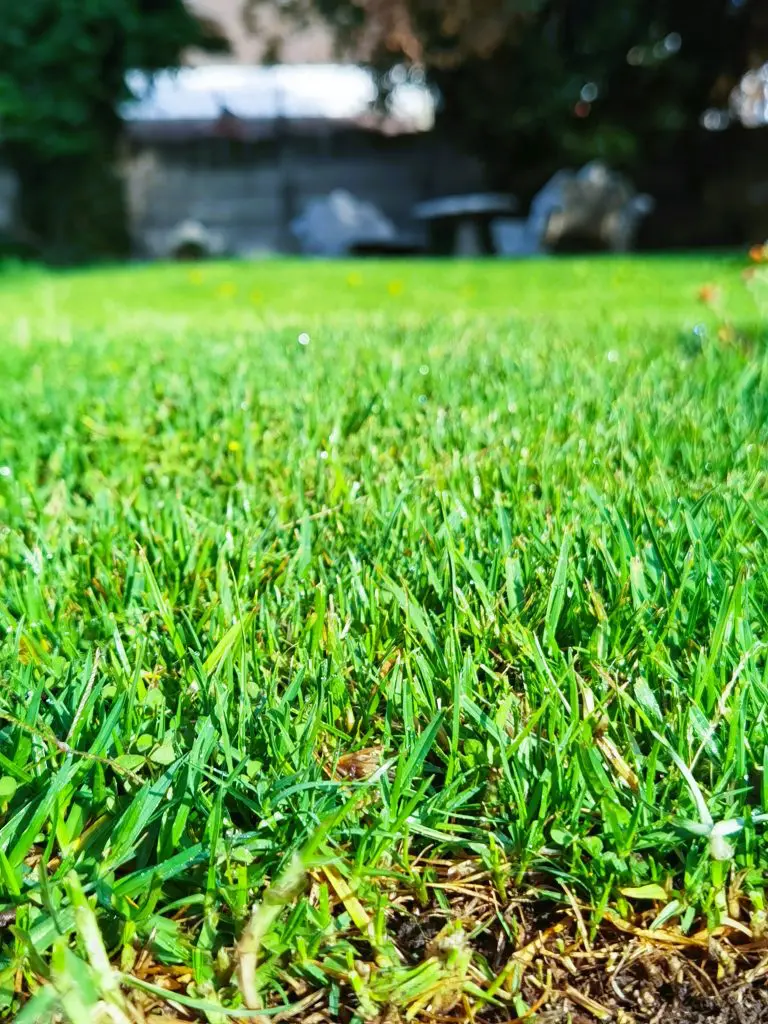
The most important rule for lawn mowing NZ-wide during winter is to set your mower to a higher height. In the peak of January, you might keep the blades low for that manicured look, but in winter, height is your best friend.
A longer blade of grass provides a larger surface area for the limited winter sunlight to hit, which is vital for the plant to create enough energy to maintain its root system.
More importantly, longer grass acts as a protective blanket for the soil, preventing it from becoming too cold and providing a buffer against the physical impact of heavy rain. We generally recommend raising your mower height by at least two notches (aiming for a finished height of around 50mm to 60mm).
2. Manage your soil saturation.
That said, there is a major caveat to winter mowing that all property owners need to respect. Lawn mowing in NZ is tougher in winter, simply because of all the rain. New Zealand soils, particularly the heavy clays found in Auckland, Hamilton, and parts of the Wellington region, become incredibly soft and prone to compaction when saturated. If you take a heavy mower onto a waterlogged lawn, you are doing far more harm than good.
The weight of your machine and your footsteps combined squeezes all of the important air pockets out of the soil. This smears the surface, preventing water from draining and oxygen from reaching the roots.
If you see water pooling, or if you notice the ground squishing under your boots, then it’s best to leave the mower behind. Walking on a sodden lawn is the quickest way to get moss to move in.
3. Adapt to the realities of your region.
NZ lawn maintenance also has some regional nuances, especially during winter. It’s worth considering them as you’re building a plan for winter lawn care.
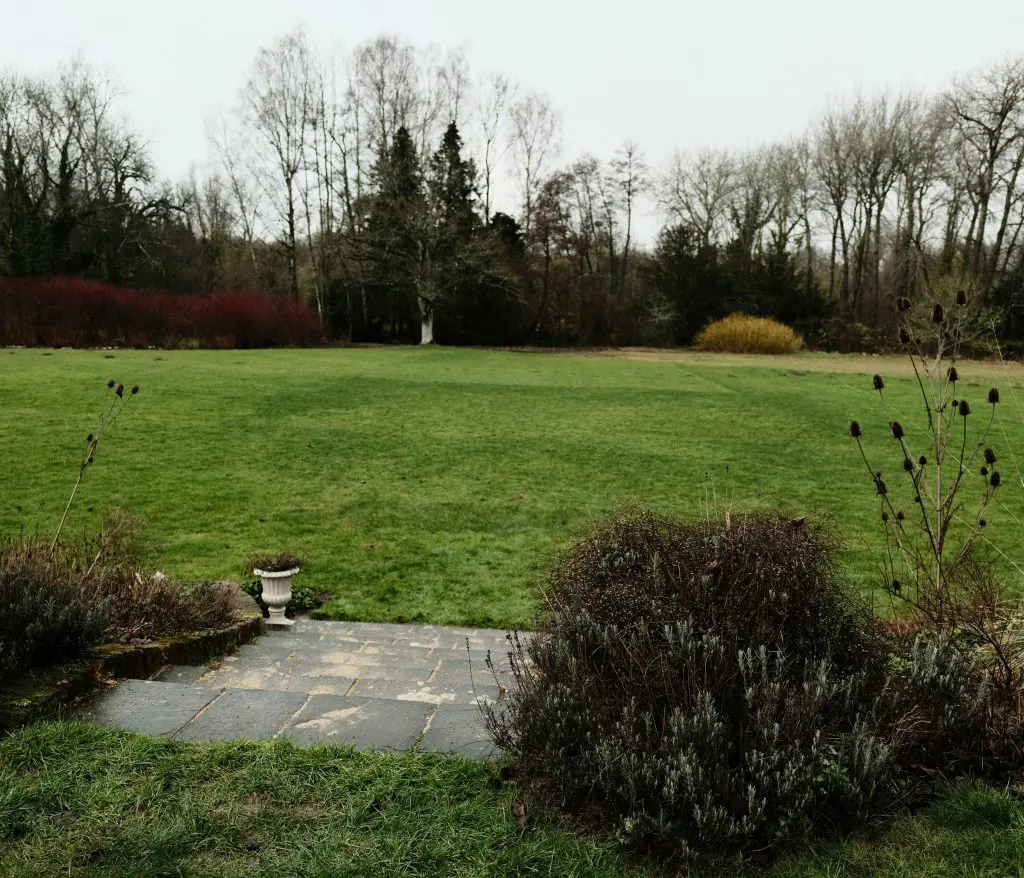
For example, if you happen to be in the Far North, then you might find yourself mowing every three to four weeks to keep the shagginess at bay. In contrast, anyone deeper south will likely be dealing with a totally dormant lawn.
If you are in a frost-prone area, never mow while there is still white on the ground. Mowing or even walking on frosted grass can snap the frozen plant cells in the blades, leaving those ugly brown footprints that can last for months. Wait until the sun has fully thawed the turf so that you’re not fighting frosted grass and mud while you mow.
4. Deal with weeds and moss quickly.
On top of cutting (or not cutting) the grass, effective winter lawn care involves managing what tries to grow when the grass is dormant. Winter is the absolute peak season for opportunistic weeds and moss, because your grass isn’t growing fast enough to out-compete them. Plus, moss thrives in the damp, shaded environment of a Kiwi winter.
The best approach is a targeted winter fertiliser. If you can, look for products that contain iron and magnesium, as these won’t force the grass into a growth spurt it can’t sustain. But it will strengthen the plant’s cellular structure, making the soil less hospitable for invaders like moss.
Ultimately, the goal of maintaining your lawn through the colder months is to ensure it is ready to run the moment the first spring warmth hits the soil in late August.
A lawn that has been kept at a sensible height, cleared of heavy leaf debris, and mown only when the conditions are dry, will have a much deeper and more resilient root system. It won’t have to spend the first month of spring recovering from compaction or disease; it can put all its energy into that beautiful, lush green flush we all strive for.
Get a professional team on-side for your winter lawn care in NZ.
We are Paramount Gardening, your elite property care partner. If the thought of managing the height settings and dodging the puddles feels like a bit too much of a chore, that is exactly why we are here.
We have the gear that handles the damp and the expertise to know exactly when a lawn is ready for a cut and when it’s better left alone. Get in touch for a quote today.