
It’s a shame to say, but many Kiwi property owners take their trees for granted. These gorgeous installations reign supreme in any garden, towering over the bushes and florals below to protect them (and provide the occasional bit of much-needed shade).
Due to the sturdy and stable nature of trees, many gardeners overlook the fact that they require their own unique brand of care. But since you’re here, you haven’t! In fact, you’re about to learn some of the most important tree pruning techniques a gardener can know to keep their trees healthy and strong.
Tree health pruning will help to extend the life of the trees you already have and provide nutrient-rich space for new ones in the future. In other words, what are we waiting for? Let’s dive into the art of tree pruning.
Why is tree health pruning necessary?
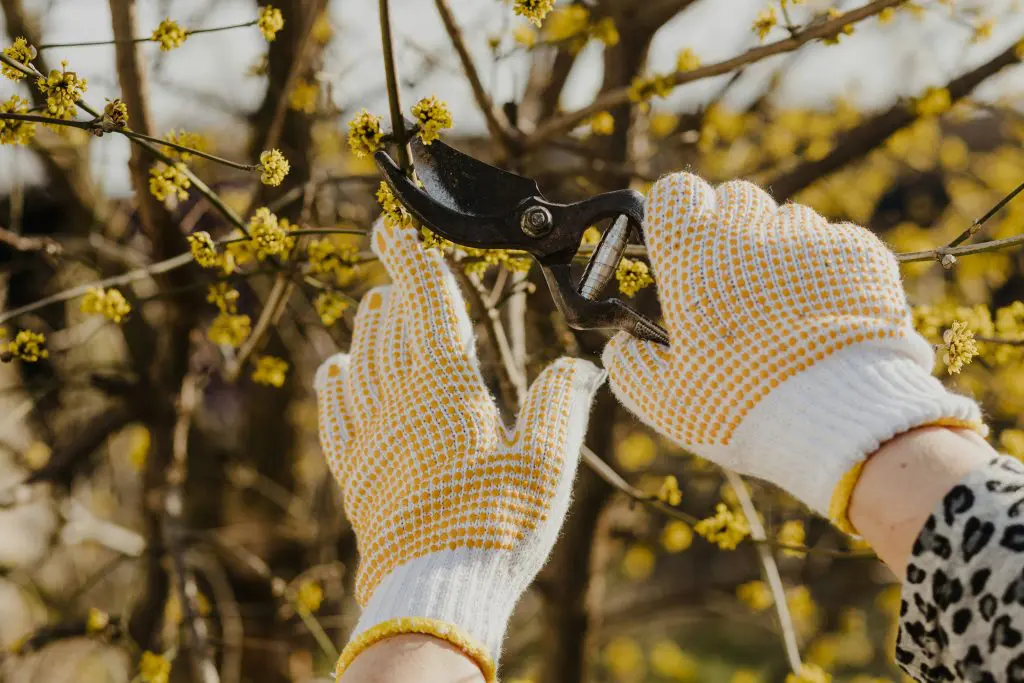
While tree pruning techniques can help keep your garden looking beautiful, that’s not all this practice is about (though, let’s be honest, it does help). Tree health pruning is essentially about providing your trees with everything they need to thrive.
When done correctly, this kind of pruning can improve airflow and sunlight penetration throughout your tree’s canopy. That means healthier leaves, improved fruit or flower production, and stronger overall growth. Not to mention, it also helps to heavily reduce the risk of disease by removing branches that have died.
If you’re stocked up on young trees in your garden, tree health pruning is even more vital! It encourages a strong structure in a tree’s early life and guides its growth, so your tree will develop evenly. With Kiwi weather being what it is, that kind of stability is necessary (thank you, subtropical winds!).
For mature trees, pruning is a method of maintaining their vitality and preventing overcrowding. However you look at it, tree health pruning is preventative medicine; you just have to know how to administer it.
What happens if you don’t prune your trees?
Considering how large and sturdy they are, it’s easy to ignore your trees for months and months on end. In fact, most of the time, that’s fine. But neglecting to prune your trees entirely can have some negative impacts over time.
For example, skipping tree health pruning means your branches can grow unevenly. Over time, this can create instability (though this will depend on the type and location of your tree). Crowded canopies limit sunlight and airflow, which encourages a range of fungal diseases and insect infestations to take root. Not to mention, dead or damaged limbs from severe weather can fall without warning, posing a significant safety issue.
All of this is to say that it’s worth committing to some regular tree health pruning to keep your budding forest alive and well. It stops small problems from turning into big ones, so your trees (and the rest of your garden) can thrive naturally.
3 essential tree pruning techniques:
With that in mind, let’s turn our attention to the most essential tree pruning techniques you need to have in your gardening toolkit. More specifically, we will examine three of the numerous ways you can prune.
(Keep in mind that the right approach will depend on the species of tree you are dealing with and the purpose you have for pruning, but these three fundamentals are a great place to get started.)
1. Crown thinning.
Your tree’s crown is exactly what it sounds like: the top part, where all of the gorgeous leaves and spreading branches reach for the sky. This is also where you will focus any tree pruning techniques.
Crown thinning involves selectively removing smaller branches throughout the canopy to allow more light and air to enter. It’s ideal for large trees that have grown dense and heavy, providing the rest of the branches with more room to grow.
2. Crown lifting.
If the tree branches are reaching too low to the ground, crown lifting can help you remove the lower branches and create some extra clearance. This is great for trees around driveways, paths, or even vital sightlines in your garden.
3. Crown reduction.
Finally, we have crown reduction. When a tree becomes too tall or wide for its space, crown reduction carefully shortens the height or spread without damaging the tree’s structure. The goal of this tree pruning technique is to keep your tree’s natural shape while reducing weight.
Each of these techniques may involve some level of working at heights or handling powerful, sharp tools. Above all, when using any of these tree pruning techniques, always stay safe!
At the end of the day, you are not forcing your trees into a given shape. Instead, you’re working with them to help them grow stronger.
If you commit to tree health pruning and use the right tree pruning techniques, you’ll see long-term results that benefit your entire garden (and grant you that perfect shady picnic spot).
Need help with your tree pruning?
At Paramount Gardening, we provide professional tree health pruning through our team of elite property care partners, including arborists. Whether you’re a homeowner or you run a commercial space, get in touch with us to sort out the trees in your garden today.